
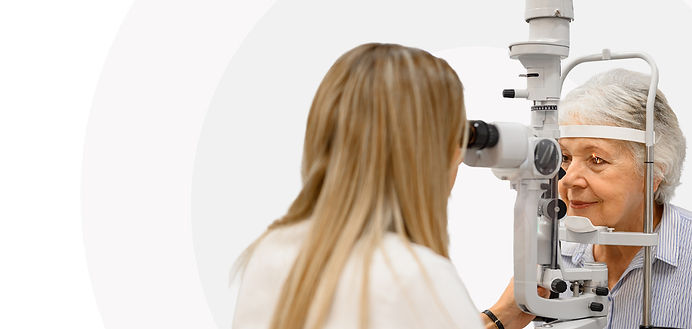
Senior Eye Exams
Comprehensive Senior Eye Exams in Fort McMurray
The Eyewear Place provides senior eye exams, intended to support ongoing vision care and eye health monitoring for older adults. Vision and eye health requirements may change with age, making regular eye examinations an important part of preventive health care.
Senior eye exams generally include assessments of visual acuity, eye coordination, intraocular pressure, retinal health, and overall eye function. Contact The Eyewear Place today to book senior eye exams in Fort McMurray for ongoing vision care and age-related eye health assessments.
Why Regular Eye Exams Become More Important with Age
As individuals age, changes in vision and eye health may gradually occur. Some eye conditions may develop without immediate symptoms, making routine eye examinations important for ongoing monitoring and early identification.
Regular senior eye exams may help with:
-
Monitoring prescription changes affecting reading, driving, and everyday visual tasks.
-
Assessing changes in near vision, distance vision, and depth perception.
-
Evaluating eye pressure and retinal health.
-
Identifying age-related conditions during earlier stages.
-
Supporting ongoing management of vision changes associated with aging.
Routine eye care may also help assess how medical conditions such as diabetes, hypertension, or medication use may affect overall eye health and visual performance. The Eyewear Place strives to provide eye examinations intended to support long-term vision care for seniors.
Common Age-related Eye Conditions Seniors Should Monitor
Several eye conditions may become more common as people age. Comprehensive eye examinations may help identify these conditions and monitor changes over time.
Common age-related eye conditions may include:
-
Cataracts: Cataracts may affect the clarity of the eye’s natural lens and can contribute to blurred vision, glare sensitivity, and reduced visual sharpness.
-
Glaucoma: Glaucoma may involve increased intraocular pressure that affects the optic nerve. Routine eye pressure assessments may help monitor this condition.
-
Age-related macular degeneration: This condition may affect central vision and may influence activities such as reading and recognizing details.
-
Diabetic eye conditions: Diabetes may affect retinal blood vessels and overall eye health, making regular monitoring important for some patients.
-
Dry eye syndrome: Seniors may experience dryness, irritation, redness, or fluctuating vision associated with reduced tear production or environmental factors.
Our team strives to provide eye health assessments and recommendations based on individual examination findings and patient-specific needs.
Signs It May Be Time to Schedule a Senior Eye Exam
Changes in visual clarity or eye comfort may indicate the need for a comprehensive eye examination. Seniors experiencing noticeable changes in vision may benefit from scheduling routine assessments to monitor eye health.
Signs that may indicate the need for a senior eye exam include:
-
Blurred or fluctuating vision during reading or daily activities.
-
Difficulty focusing on nearby objects or small print.
-
Increased glare sensitivity, especially while driving at night.
-
Frequent headaches associated with visual strain.
-
Dryness, irritation, or eye fatigue during screen use or reading.
-
Difficulty adjusting between bright and dim lighting conditions.
Routine eye examinations may help identify the cause of these symptoms while supporting ongoing vision care and prescription management. Go through our blogs for more information.
What to Expect During a Comprehensive Senior Eye Exam in Fort McMurray
A comprehensive senior eye exam generally includes several evaluations intended to assess both vision and overall eye health. Examination procedures may vary depending on patient history, current vision concerns, and eye health needs.
Senior eye examinations may include:
-
Visual acuity testing to assess visual clarity.
-
Prescription assessments for corrective lenses.
-
Eye pressure testing to monitor internal eye pressure.
-
Retinal and optic nerve evaluations.
-
Assessment of eye coordination and focusing ability.
-
Review of medical history, medications, and visual concerns.
Patients may also receive information regarding prescription eyewear, lens updates, and ongoing eye care recommendations based on examination findings.